Why Some TikToks Go Viral Days Later, Not Right Away
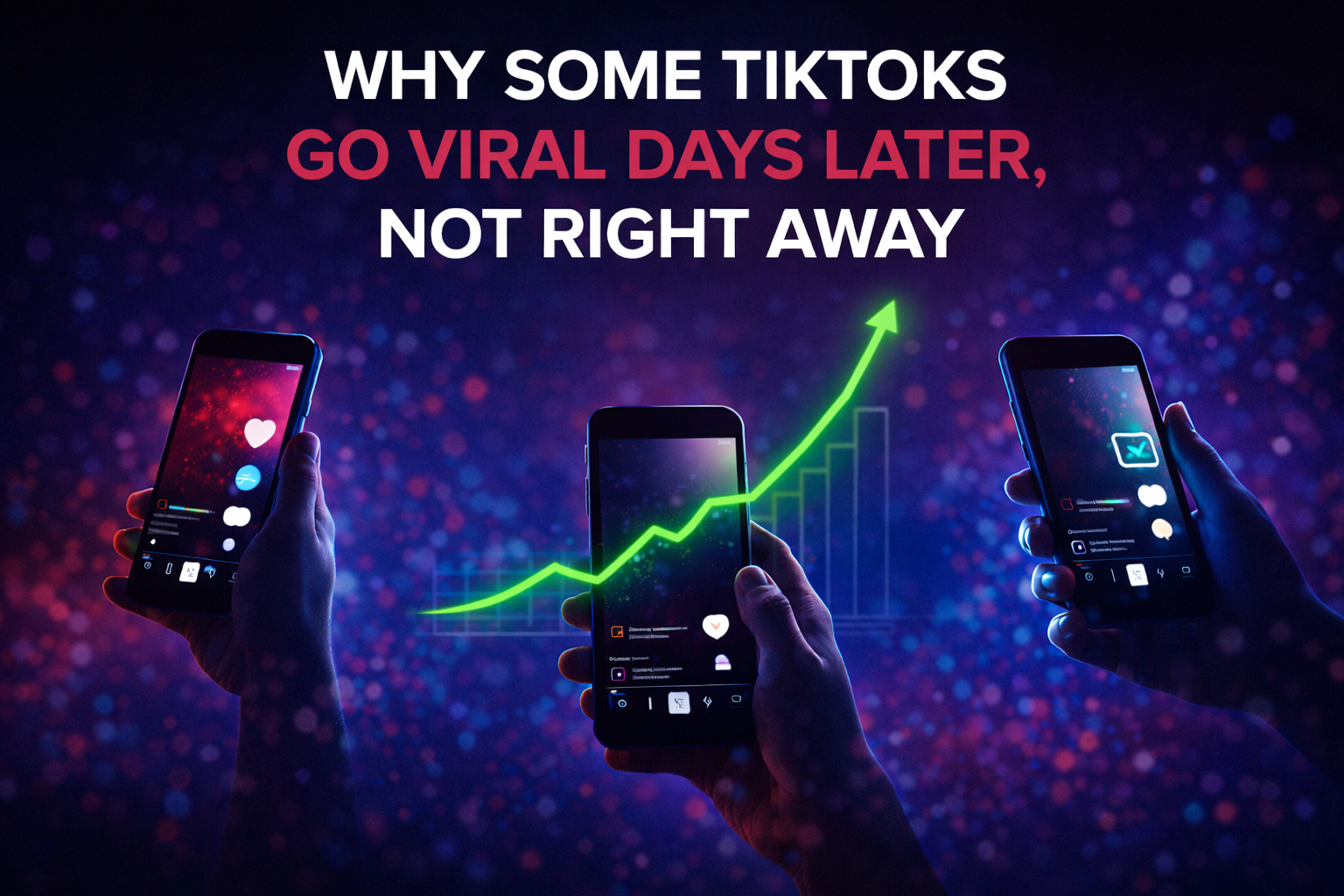
Why some TikToks go viral days later is one of the most confusing experiences for creators on the platform. A TikTok video can appear to fail at first, with low views and little engagement, only to suddenly explode days later without any changes from the creator.
Creators see it all the time. A post struggles for 24 or even 72 hours, then views spike without warning. Comments flood in. Saves climb. The video enters a second life.
This pattern is not random. It reflects how TikTok tests content, measures behavior over time, and decides when a video deserves broader distribution.
Understanding why some TikToks go viral days later requires looking beyond first-hour performance and into how the platform evaluates audience response.
What Delayed Virality Looks Like on TikTok
Delayed virality usually follows a recognizable pattern.
A video launches with modest views. Engagement feels quiet. Then, often after a day or two, impressions accelerate rapidly. The For You page starts pushing the video into new audience segments.
Unlike traditional platforms, TikTok does not treat the first few hours as a final verdict. Instead, the system keeps videos in circulation while collecting signals.
Because of that, early performance rarely tells the full story.
How TikTok Tests Videos Before Wide Distribution
TikTok operates on layered distribution.
When a video is published, it reaches a small, behavior-matched test audience. The goal is not reach. The goal is signal quality.
The platform watches how viewers interact:
- Do they finish the video?
- Do they rewatch it?
- Do they save it?
- Do they comment with intent?
If those signals remain strong, TikTok continues testing the video in additional audience pools. This process can take hours or days, depending on how clearly the signals emerge.
That testing phase explains why some TikToks go viral days later instead of immediately.
The Signals That Matter After the First 24 Hours
After the initial test window, TikTok prioritizes different metrics.
Views alone matter less than behavioral depth. Saves, rewatches, and comment quality carry increasing weight over time.
This is consistent with TikTok’s broader shift toward utility and intent. The same logic appears in how the platform now functions as a discovery engine, as explored in this breakdown of how TikTok is quietly turning into a search engine.
When a video continues to generate saves or rewatches well after posting, the system treats it as evergreen rather than expired.
Why Saves and Rewatches Age Better Than Likes
Likes spike quickly, then flatten.
Saves behave differently. A save signals future intent. It suggests the video solved a problem, explained something clearly, or delivered value worth returning to.
That is why TikTok increasingly treats saves as a long-term quality signal. This dynamic is examined in depth in this analysis of TikTok’s Save button.
Rewatches reinforce that signal. When viewers loop a video voluntarily, TikTok interprets it as strong relevance.
Because these actions accumulate slowly, delayed virality becomes possible.
Audience Matching Improves Over Time
TikTok does not instantly know who a video is for.
Instead, it learns through interaction patterns. Each wave of viewers teaches the system more about the video’s ideal audience.
As a result, some videos struggle early because they reach the wrong viewers first. Over time, better matching improves engagement rates. Once that happens, distribution expands.
This adaptive matching explains why content often performs better days later than at launch.
Why TikTok Behaves Differently From Other Platforms
On Instagram or YouTube, timing dominates outcomes.
TikTok prioritizes behavioral learning. Videos remain eligible for discovery long after posting, especially if they generate ongoing engagement.
That difference allows TikTok to resurface content when user behavior indicates renewed relevance. It also explains why binge cycles, rewatches, and cultural moments can revive older posts.
This mechanism has played a visible role in fandom-driven spikes, including how audiences engage with Stranger Things content between releases.
What Creators Should Do After Posting
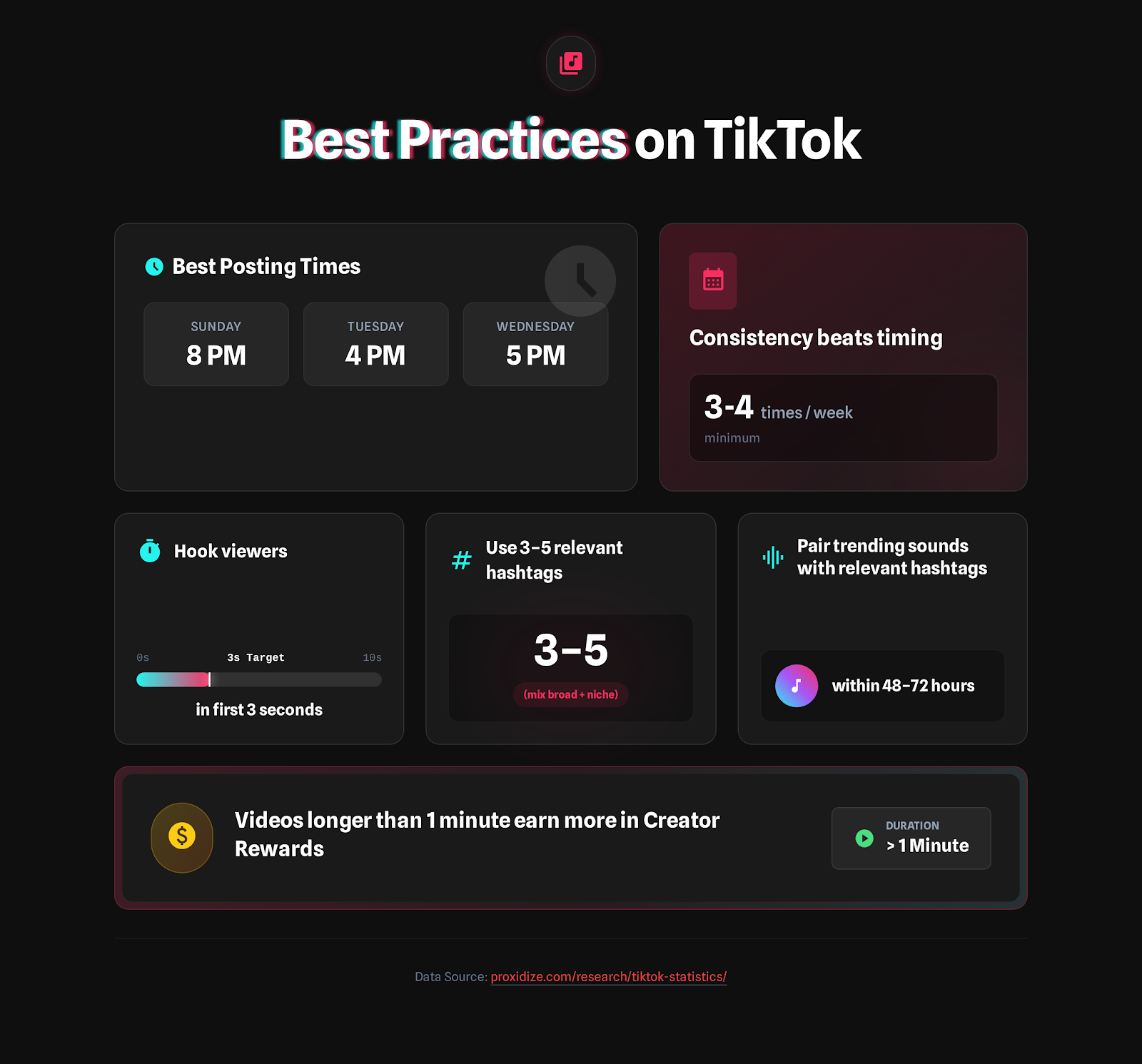
Once a video is live, creators should resist the urge to interfere.
Deleting, reposting, or aggressively editing captions often disrupts the testing process. Instead, the best response is observation.
If saves increase slowly, that is a positive sign. If comments deepen in quality, the system notices. Patience often outperforms panic.
Understanding why some TikToks go viral days later helps creators focus on quality signals instead of early vanity metrics.
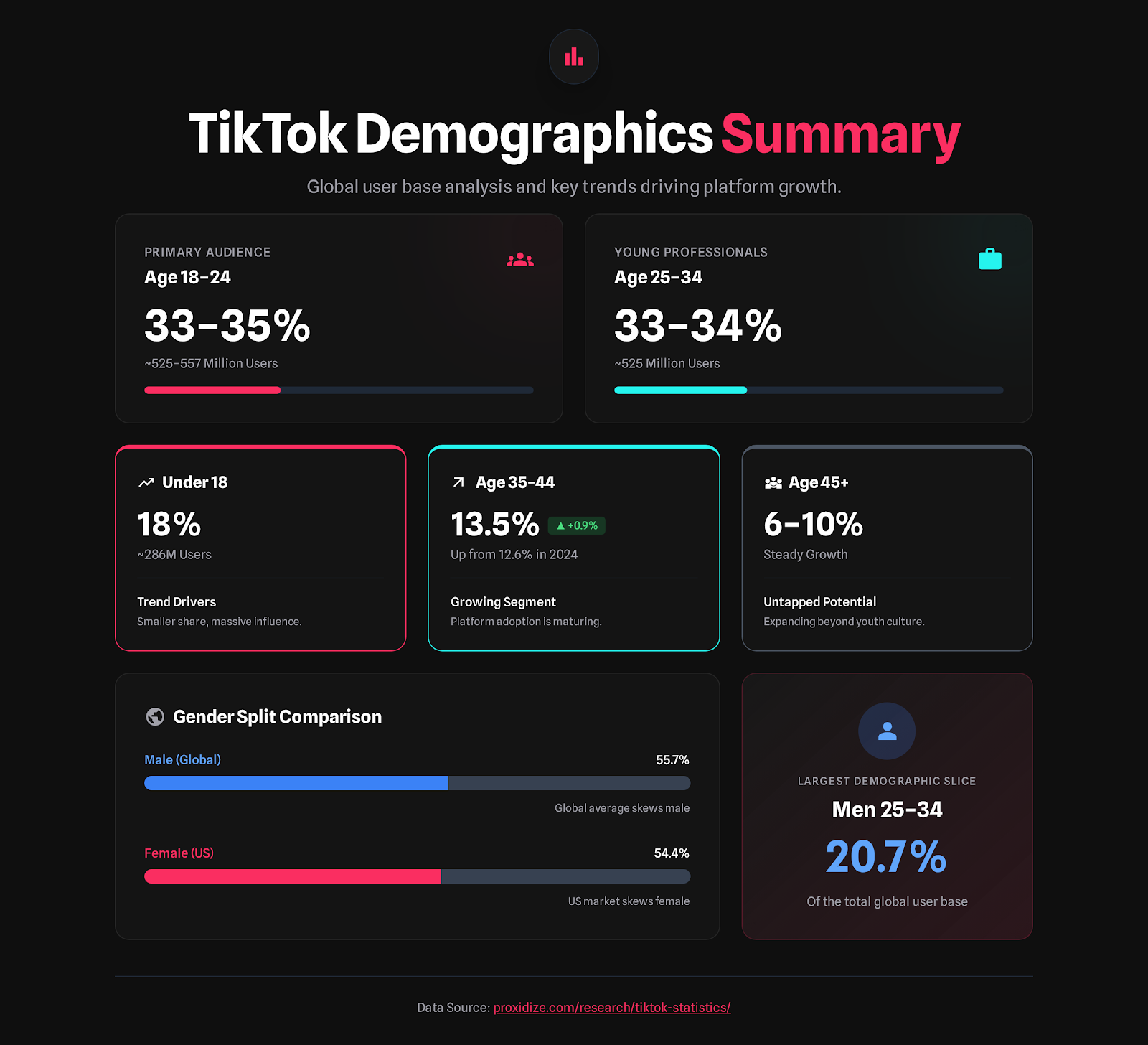
What Delayed Virality Signals About TikTok’s Direction
Delayed virality reflects a larger platform shift.
TikTok increasingly values usefulness, emotional resonance, and long-term relevance. That approach rewards content that continues to matter, not just content that trends quickly.
As the platform matures, delayed distribution may become more common, not less.
For creators, this shift changes how success should be measured. For users, it explains why TikTok feels unpredictable, yet deeply personalized.
Conclusion
Some TikToks go viral days later because TikTok is not built around instant judgment.
The platform tests, learns, and adapts. Videos earn reach through sustained behavior, not immediate spikes. Saves, rewatches, and audience alignment determine longevity.
Understanding why some TikToks go viral days later reframes failure as part of the process, not the outcome.