
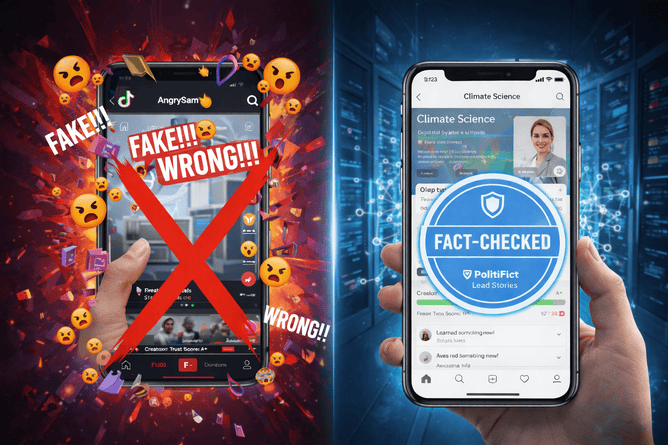
The End of the Troll: Understanding Rage-Bait Regulation on TikTok
The era of “all engagement is good engagement” has officially ended in 2026. For years, creators used intentional mistakes and controversial takes to trigger the algorithm. However, Rage-Bait Regulation is now a core pillar of TikTok’s content moderation strategy. This shift aims to clean up the For You Page by penalizing “manufactured outrage.” Consequently, creators who rely on negative comments to boost their reach are seeing a massive decline in views. This article explores how these new rules function and what they mean for the future of the platform.
How the Integrity Algorithm Drives Rage-Bait Regulation
The backbone of this new era is the Integrity Algorithm. This system does not just look at how many people are commenting. Instead, it analyzes the sentiment and context of those comments. Specifically, it looks for “correction-driven engagement.” This occurs when a creator posts a video with a glaring, intentional error. Viewers flock to the comments to point out the mistake. Previously, this signaled “high interest” to the algorithm.
Now, Rage-Bait Regulation flags this pattern as low-quality content. The algorithm identifies when a comment section is filled with words like “fake,” “wrong,” or “misinformation.” Therefore, instead of pushing the video to more people, the system restricts its reach. This ensures that the global feed remains informative rather than frustrating. It is a direct response to advertiser demands for a “brand-safe” environment.
The Economic Impact of Rage-Bait Regulation on Creators
Perhaps the most significant change involves the Creator Rewards Program. TikTok has updated its monetization criteria to exclude engagement generated through deception. This means that even if a “rage-bait” video gets millions of views, the payout may be zero. The platform now categorizes this revenue as “ineligible.” This move has sent shockwaves through the creator community.
Furthermore, TikTok now utilizes internal AI protocols and the C2PA (Coalition for Content Provenance and Authenticity) standard to monitor viral trends. When a video is flagged for intentional misinformation, the account’s “Trust Score” drops. A low score can lead to a permanent shadowban. Consequently, professional creators are pivoting toward “Authenticity First” models. They are finding that genuine value leads to more stable, long-term income. This aligns with the broader industry shift toward TikTok SEO in 2026, where accuracy is a ranking factor.

Why Advertisers are Pushing for Stricter Guidelines
Brands have grown weary of appearing next to controversial content. In the past, an ad for a major brand might play right after a video showing a dangerous “life hack.” This created a massive PR risk. Consequently, the push for Rage-Bait Regulation is largely driven by financial necessity. To keep high-paying advertisers, TikTok must prove that its content is reliable.
Moreover, the platform is using AI to scan video transcripts for “triggering” visual cues. For example, if a creator intentionally wastes a massive amount of food for a “shock” thumbnail, the AI flags it immediately. The video is then deprioritized in search results. This ensures that the search bar remains a place for discovery rather than a catalog of viral stunts. Many creators are now looking back at the early days of TikTok Shop to see how platform rules evolved there as well.
The Psychology of Outrage: Why Humans Fall for the Bait
To understand why Rage-Bait Regulation is necessary, we must examine the “Psychological Correction Reflex.” Human beings have an innate desire to be right. When we see someone performing a task incorrectly, our brain triggers an urge to intervene. Creators exploit this by making “obvious” mistakes in cooking or DIY videos. This psychological trick bypasses our logical filters.
However, constant exposure to these “fake” frustrations leads to audience fatigue. Over time, users feel manipulated. This results in lower overall app satisfaction. By implementing Rage-Bait Regulation, TikTok is protecting its long-term user retention. The platform is betting that a more truthful feed will lead to a healthier community. This shift is crucial for maintaining a competitive edge against other social platforms.
Case Study: The “Wrong Recipe” Viral Loop
In early 2025, a specific trend involved creators intentionally putting metal in microwaves. These videos generated millions of “Hate-Watch” views. Under the old system, these creators earned thousands of dollars. Today, under Rage-Bait Regulation, these accounts are instantly demonetized. The system now recognizes the danger of such content.
Furthermore, the algorithm can now track the “origin” of a trend. If a trend starts with a deceptive video, all subsequent “stitch” videos are also monitored. This prevents a single piece of rage-bait from polluting the entire ecosystem. It creates a “Quality Filter” that rewards creators for debunking myths rather than creating them. This is a massive win for educational creators who previously struggled to compete with loud, fake content.

The Role of Sentiment Analysis in Modern Moderation
Modern moderation is no longer just about banning keywords. It is about understanding the “vibe” of a community. TikTok’s 2026 updates include an Engagement Quality Metric (EQM) that evaluates the ratio of constructive interaction to negative sentiment. If the ratio of “angry” emojis to “likes” is too high, the video is flagged for manual review. This human-in-the-loop system ensures that satire is not accidentally censored. However, it effectively catches those who use outrage as a business model.
“In addition, TikTok works with a global network of more than 20 independent fact-checking organizations. These include PolitiFact, Lead Stories, and the Demagog Association. Together, they verify content in over 50 languages. If a creator posts a misleading ‘breaking news’ clip, a fact-check banner appears. Internal data indicates this banner reduces click-through rates by over 60%. Therefore, the incentive to lie for views is rapidly disappearing. This is part of the platform’s goal to become a ‘trusted information hub’.”
Predicting the 2027 Social Landscape
As we look toward the next year, we expect these regulations to become even more granular. We might see “Fact-Checked” badges for creators who consistently provide accurate information. This would create a two-tiered system on the platform. Verified, high-integrity creators would receive premium ad rates. Meanwhile, “troll” accounts would be relegated to the fringes of the app.
Furthermore, the technology used for Rage-Bait Regulation will likely expand to other platforms. As AI content becomes easier to create, the need for “Proof of Integrity” will grow. Consequently, creators who build a reputation for honesty now will be the winners of the future. The “Gold Rush” of viral outrage is over. It has been replaced by the “Trust Economy.”
Technical Triggers: What Creators Should Avoid
To stay safe from the Rage-Bait Regulation filters, creators should avoid specific “trigger” behaviors. High-speed editing that hides errors is now a red flag. Similarly, using sensationalist text overlays like “You won’t believe what happened next” is being deprioritized. These tactics are seen as “Click-Bait” rather than “Content.”
Instead, creators should focus on clear, honest communication. Using “Educational” tags correctly is more important than ever. The algorithm now checks if the video content actually matches the tags used. Therefore, accuracy in metadata is a requirement for growth. By following these technical guidelines, creators can ensure their content remains eligible for the highest tiers of the Rewards Program.
Final Thoughts for the TikTok Community
If you want to grow in 2026, you must provide real value. Avoid the temptation to use “hacks” or “tricks” to get comments. Instead, focus on building a community that engages with you because they trust you. The algorithm is now smart enough to tell the difference between a fan and a hater. Moreover, stay informed about the latest policy updates. The rules are changing every month. By understanding how the Integrity Algorithm works, you can stay ahead of the competition. Use the tools available to you to check your account’s health. Therefore, you can ensure that your content continues to reach the audience it deserves.
You Might Also Like
- The End of the Troll: Understanding Rage-Bait Regulation on TikTok


- The Future of Digital Presence: A Deep Dive into AI Likeness Licensing

- The Labubu Economy Pop Mart Trend: The Definitive 2026 Market Analysis

- The 365 Buttons TikTok Trend: A Movement Against Overthinking

- The Jon Hamm Dissociation Dance: A Cultural Icon of 2026