How TikTok Punch Cards Reveal the Platform’s Power to Turn Physical Products Into Businesses
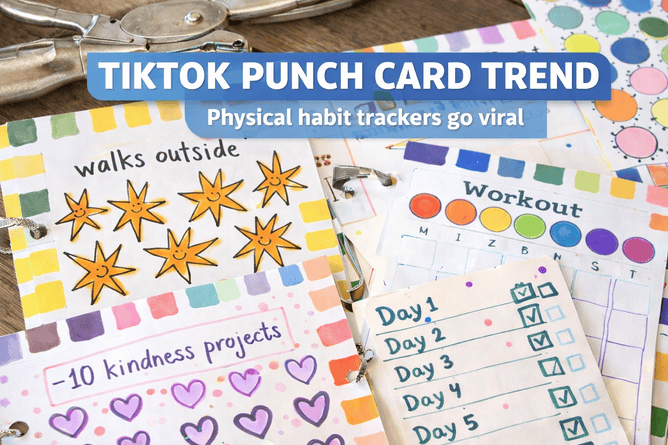
The TikTok punch card trend highlights something the platform has quietly done for years: turning simple, physical objects into scalable businesses by making them culturally meaningful rather than technologically advanced. In early 2026, punch cards designed to track habits, routines, and personal goals began circulating widely on TikTok, not because of a new platform feature, but because creators framed them as visible, tactile proof of progress in an increasingly digital world.
What makes this moment notable is not the product itself. It is the pattern behind it, one that shows how TikTok continues to reward physical, offline objects when they align with identity, routine, and shareability.
TikTok Punch Card Trend: Why a Simple Physical Tool Took Off
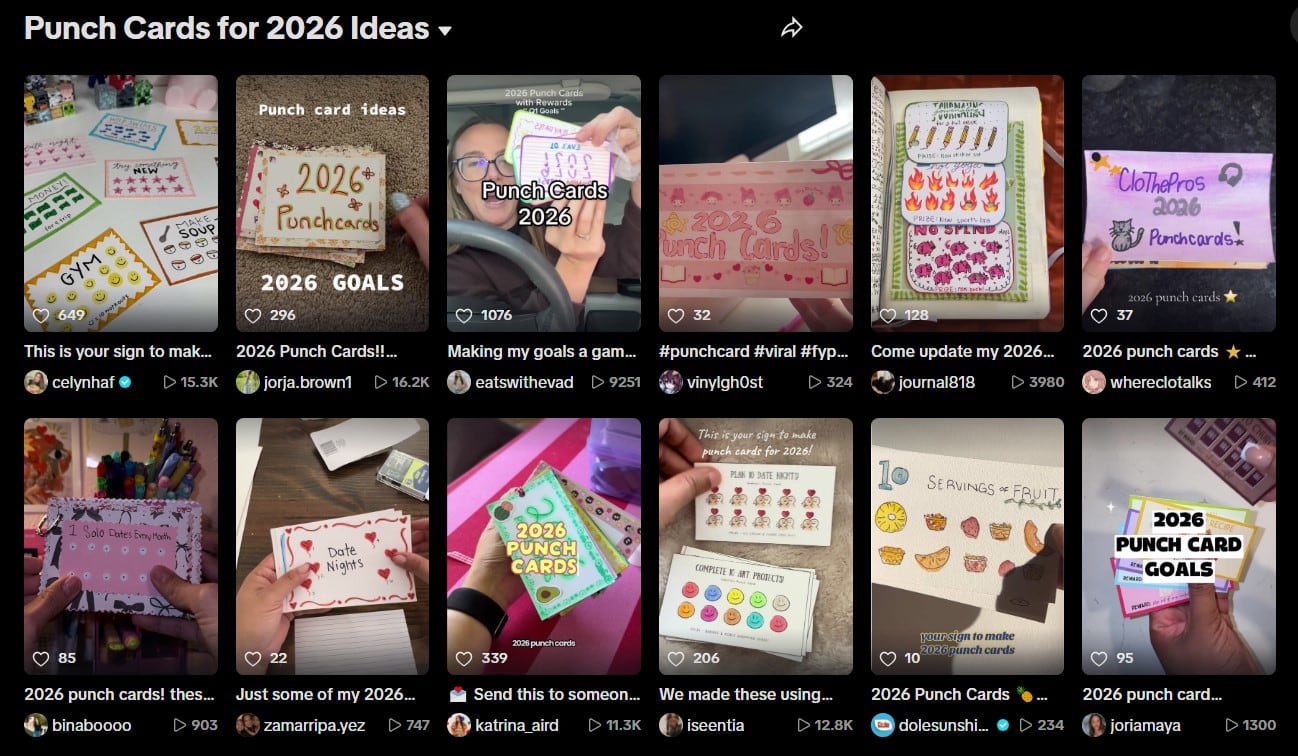
The TikTok punch card trend centers on creators using real, physical cards to mark daily habits such as workouts, study sessions, sobriety milestones, or creative goals. Each completed action earns a punch, creating a visual record that feels more permanent than a digital checklist.
Creators filming these punch cards often focus less on productivity and more on ritual. The sound of the punch, the accumulation of holes, and the physical presence of the card all translate well to short-form video. Viewers do not just see progress. They feel it.
This matters because TikTok’s algorithm consistently appears to amplify content that sparks comments and saves rather than passive likes. Punch cards invite discussion. Viewers ask where to buy them, how creators designed them, and whether the system actually works. That interaction loop helps explain why the trend spread quickly without relying on ads or official platform promotion.
The TikTok Punch Card Trend Is Not New, Just the Latest Example
While punch cards feel fresh, TikTok has a long track record of turning small, physical objects into mainstream products once creators attach meaning to them.
One widely cited example is Stanley tumblers, which surged in popularity after TikTok creators framed them as lifestyle accessories rather than drinkware. Another is LED light strips, which transitioned from niche electronics to dorm room essentials after creators repeatedly showcased them in room transformation videos. Even items like manual facial rollers and ice rollers saw explosive growth when TikTok positioned them as daily self-care rituals rather than beauty tools.
In each case, the product itself was not innovative. The storytelling around it was.
Why Physical Products Perform So Well on TikTok Right Now
The success of the TikTok punch card trend also reflects a broader cultural moment. As AI-generated content, automation tools, and digital planners become more common, physical objects offer something different: friction.
Punching a card requires effort. Holding an object creates presence. Showing it on camera signals commitment. These qualities translate well to TikTok, where authenticity and process often outperform polish.
From an engagement standpoint, physical objects also give creators something concrete to center their videos around. They are easy to demonstrate, easy to replicate, and easy for viewers to imagine themselves using, which lowers the barrier to participation.
From Viral Moment to Business Opportunity
The most important part of the TikTok punch card trend is what happens off-platform. Many punch cards now circulating on TikTok are being sold through Etsy shops, personal websites, and small fulfillment operations. In several cases, creators openly document the process of designing, printing, and shipping the cards, turning the product into part of the content itself.
This mirrors earlier TikTok-driven product booms, where visibility preceded infrastructure. The platform acts as the testing ground, and demand emerges before formal branding or large-scale manufacturing.
For entrepreneurs and creators, this pattern suggests that TikTok remains one of the few platforms where a low-cost, physical product can still break through organically if it taps into a shared behavioral or emotional need.
What the TikTok Punch Card Trend Signals for Creators and Brands
The punch card trend reinforces a key lesson for anyone building on TikTok: virality does not require complexity. It requires resonance.
Physical products that succeed on TikTok tend to share three traits. They are easy to understand at a glance. They represent progress or identity. And they invite participation rather than consumption.
As long as TikTok continues to reward interaction over perfection, trends like punch cards are likely to keep emerging, especially as a counterbalance to increasingly automated digital experiences.
You Might Also Like
- The End of the Troll: Understanding Rage-Bait Regulation on TikTok


- The Future of Digital Presence: A Deep Dive into AI Likeness Licensing

- The Labubu Economy Pop Mart Trend: The Definitive 2026 Market Analysis

- The 365 Buttons TikTok Trend: A Movement Against Overthinking
- The Jon Hamm Dissociation Dance: A Cultural Icon of 2026