


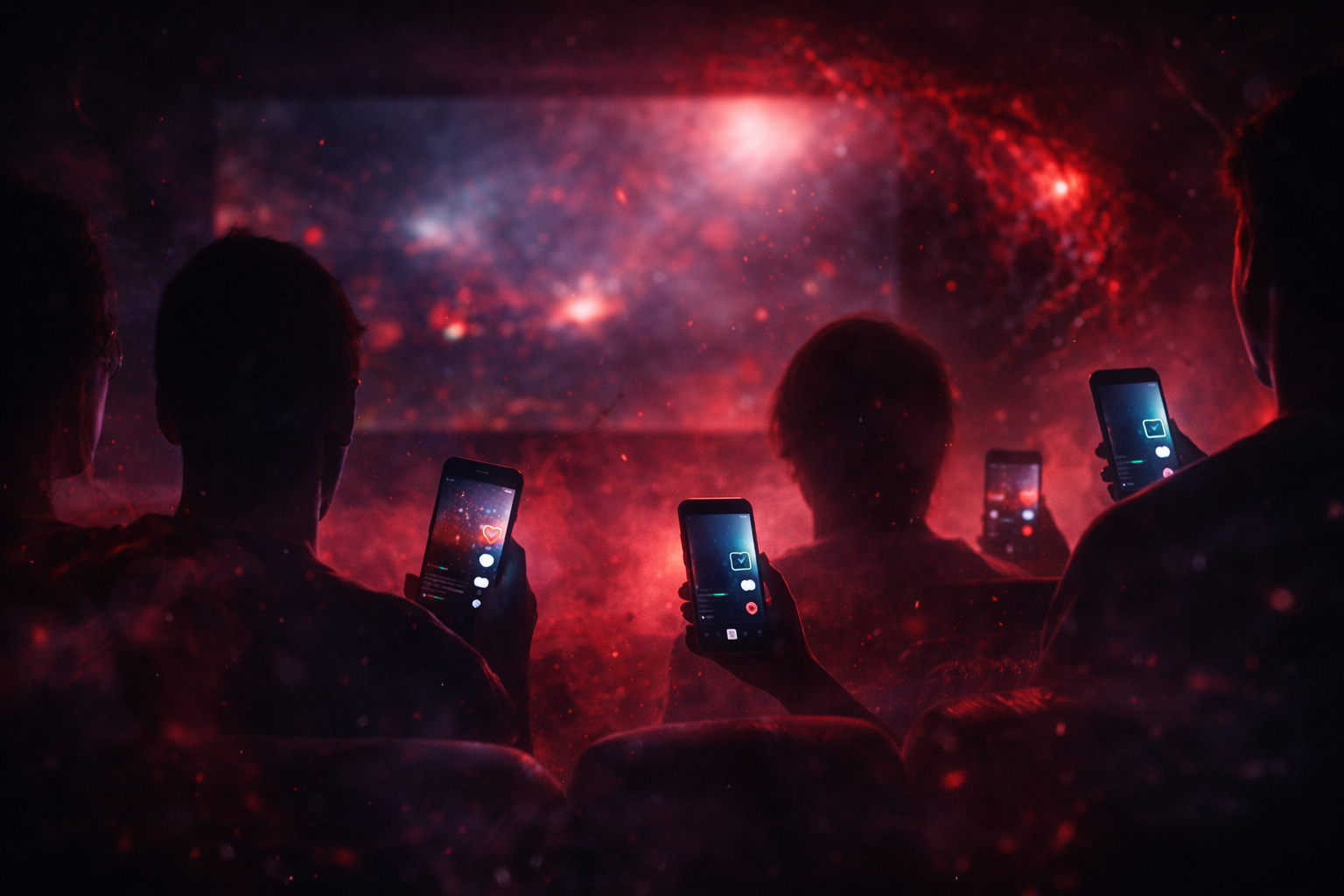
When the final season of Stranger Things arrives, it will represent far more than the conclusion of a popular television show. It will mark the end of one of the most culturally influential entertainment properties of the streaming era. For Netflix, that moment carries both opportunity and risk.

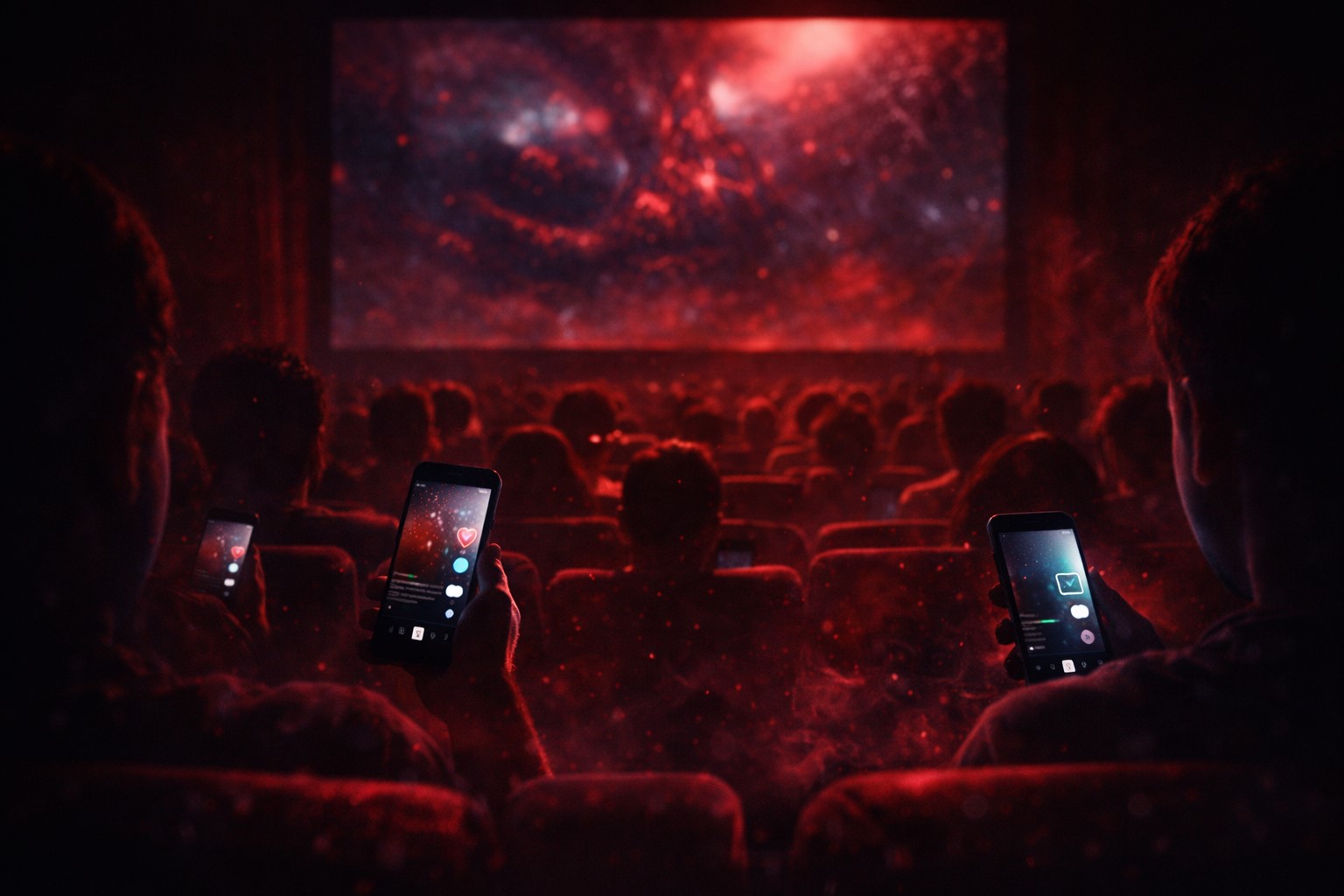
This finale is not simply a content drop. It is a brand moment, a test of cultural relevance, and a measure of whether a streaming platform can still create a shared experience in an age of fragmented attention. Traditional marketing alone cannot achieve that outcome.
That is where TikTok becomes essential.
The Finale as a Cultural Moment, Not a Release
In earlier seasons, novelty and binge behavior were enough to drive attention. Today, audiences are spread across platforms, formats, and algorithms. Viewers no longer gather automatically just because a show exists.
They gather when something feels collectively important.
The Stranger Things finale benefits from years of emotional investment, a multigenerational audience, and characters that have lived in popular culture far beyond the screen. At the same time, finales are uniquely fragile moments. Without sustained conversation, even beloved endings can fade quickly.
TikTok changes that dynamic by extending the life of the finale well beyond release night.
Where Fans Decide What the Ending Means
TikTok is not just a discovery platform. It is where interpretation happens. Fans use short-form video to revisit scenes, reframe character arcs, debate choices, and emotionally process what they have watched.
Unlike trailers or press interviews, this activity does not peak before release. It accelerates after viewing, once audiences have time to react and reflect.
That timing makes TikTok especially powerful for a finale. The platform becomes the space where meaning is negotiated collectively, rather than dictated by marketing.
Why Endings Matter More Than Premieres
A premiere asks viewers whether they should start watching. A finale asks something deeper. It asks whether the journey was worth it.
That question has lasting consequences for a franchise and for the platform hosting it. TikTok gives Netflix a way to influence that perception without attempting to control it directly.
Fan edits, emotional recaps, nostalgic montages, and character tributes all help shape how the ending is remembered. Over time, those videos soften sharp reactions, contextualize creative choices, and reinforce emotional satisfaction.
From a strategic perspective, that influence is invaluable.
The Long-Term Value of TikTok Engagement
Traditional success metrics focus on opening-week numbers, completion rates, and short-term subscriber impact. TikTok introduces a different kind of value that many dashboards fail to capture.
When fans continue creating content weeks and months after release, the show remains algorithmically visible. That sustained presence keeps Stranger Things discoverable for new viewers and reinforces Netflix’s identity as a culture-shaping platform rather than a content warehouse.
For marketers, this kind of long-tail relevance is difficult to buy and even harder to manufacture without authentic fan participation.
Why This Matters to Media and Marketing Professionals
For media executives and brand strategists, the Stranger Things finale serves as a live case study in modern franchise management.
It demonstrates how audience participation can extend the lifecycle of intellectual property, why emotional investment matters more than raw impressions, and how platforms now play a larger role in shaping cultural memory than networks ever did.
TikTok does not just amplify content.It preserves emotional reactions in a searchable, remixable format that continues to surface long after release.
TikTok Versus Traditional Conversation Platforms
On platforms like X, conversation tends to polarize quickly. Opinions harden. Judgment arrives fast. TikTok operates differently.
Trends evolve. Emotional nuance survives longer. Reinterpretation is encouraged rather than punished.
For Netflix, that distinction is critical. Instead of attempting to manage reaction in real time, TikTok allows sentiment to stabilize organically. Fans defend what they love, contextualize what they question, and ultimately arrive at a collective understanding.
From a risk management standpoint, this environment is far more forgiving for a high-stakes finale.
A Platform Moment, Not Just a Show Moment
Netflix does not need TikTok because it lacks reach. It needs TikTok because it lacks ritual.
In the past, finales were collective experiences by default. Streaming removed that structure. TikTok rebuilds it through trends, shared emotional language, and communal anticipation.
For Stranger Things, that ritual matters as much as the story itself.
The Bigger Implications for Netflix
Handled correctly, the Stranger Things finale becomes more than an ending.
It becomes proof that fan-driven platforms can extend cultural relevance long after a show concludes. It signals to creators that endings still matter, to audiences that participation is valued, and to the industry that cultural impact cannot be scheduled or manufactured through traditional means alone.
Most importantly, it reframes how finales function in the streaming era.
Final Thought
Endings no longer belong solely to studios.
Audiences now participate in how stories are remembered, debated, and emotionally archived. TikTok is where that process unfolds.
For Netflix, embracing that reality is not a promotional tactic. It is a strategic necessity.
The Stranger Things finale will end on screen. Its legacy will be shaped elsewhere.
The finale moment builds on patterns already visible in how TikTok fandom sustains engagement long before release dates arrive.
You Might Also Like
- The End of the Troll: Understanding Rage-Bait Regulation on TikTok
- The Future of Digital Presence: A Deep Dive into AI Likeness Licensing
- The Labubu Economy Pop Mart Trend: The Definitive 2026 Market Analysis
- The 365 Buttons TikTok Trend: A Movement Against Overthinking
- The Jon Hamm Dissociation Dance: A Cultural Icon of 2026