TikTok AI Transparency 2026: What Every Creator Must Know
The TikTok AI Transparency 2026 initiative marks a pivotal moment for creators. As AI-generated content (AIGC) becomes more sophisticated, TikTok has responded with aggressive new policies to maintain trust. These mandates are strict requirements for all users. Consequently, creators who fail to disclose their use of AI risk severe penalties. You could face content removal or disqualification from monetization programs. Understanding these new rules is paramount for safeguarding your account this year.
The Rise of Synthetic Media and the TikTok AI Transparency 2026 Response
AI-generated content has rapidly evolved. From simple voiceovers to entire virtual avatars, AI tools now allow creators to produce stunning visuals with ease. However, this accessibility also presents challenges for viewers. Without proper disclosure, audiences struggle to differentiate between real and synthetic media.
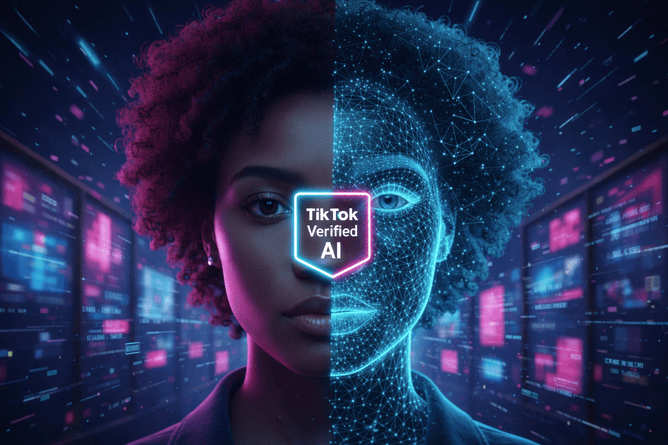
The TikTok AI Transparency 2026 framework aims to prevent misinformation. TikTok now employs advanced detection methods, including “invisible watermarking.” They also use C2PA (Content Authenticity Initiative) technology to identify synthetic elements automatically. This proactive approach underlines TikTok’s commitment to clarity.
Mandatory Disclosure: The TikTok AI Transparency 2026 Label
The most significant change for creators is the mandatory “AI-Generated Content” label. You must now toggle this switch during the upload process for any realistic media. This rule applies to deepfakes, modified images, and AI-generated voices. If your content is clearly unrealistic, you do not need the label. However, when in doubt, you should always disclose.
Failure to apply this label has immediate consequences. TikTok can remove your video or issue account strikes. Repeat offenses may lead to permanent suspension. Furthermore, unlabeled AI content is ineligible for the TikTok Creator Rewards Program 2026. Therefore, you should always prioritize transparency to protect your earnings.

Screenshot from YouTube video by @app_tutor
Understanding C2PA Standards and Technical Verification
TikTok has partnered with the C2PA (Coalition for Content Provenance and Authenticity). This collaboration solidifies the technical side of TikTok AI Transparency 2026. C2PA provides a digital fingerprint embedded into media files. This fingerprint indicates whether you used AI tools during production.
TikTok’s systems can now detect AI usage even if you try to bypass the manual toggle. The goal is not to punish AI usage but to ensure viewers understand what they see. By embracing these standards, you demonstrate a commitment to ethical creation. This enhances your credibility with both the platform and your audience.
Impact on Engagement and Creator Trust

Some creators worry that AI labels will reduce engagement. However, the opposite has proven true. Audiences in 2026 value honesty. A transparent label can actually build more trust. Viewers appreciate knowing when content is AI-assisted, which creates a stronger bond.
When you are upfront about your tools, you foster a sense of authenticity. This leads to higher-quality engagement. Conversely, unlabeled AI content often leads to negative reactions. Viewers feel deceived, and this damages your reputation. Therefore, viewing AI disclosure as an opportunity to connect will define your success this year.
You Might Also Like
- The End of the Troll: Understanding Rage-Bait Regulation on TikTok


- The Future of Digital Presence: A Deep Dive into AI Likeness Licensing

- The Labubu Economy Pop Mart Trend: The Definitive 2026 Market Analysis

- The 365 Buttons TikTok Trend: A Movement Against Overthinking

- The Jon Hamm Dissociation Dance: A Cultural Icon of 2026