TikTok’s $400 Million Settlement Is a Warning, Not a Fix (2026)
TikTok logo/trademark referenced in this article’s hero image is property of its respective owner, used here for editorial identification purposes.
TikTok’s $400 million settlement with the Justice Department closed out one of the largest children’s privacy cases in U.S. history this week, and the company didn’t have to admit it did anything wrong to get there. That’s not a technicality, it’s the whole shape of how these cases actually end.
It’s worth understanding what $400 million really buys a company TikTok Shop alone moved $50.3 billion through in just the first half of this year. TikTok’s $400 million settlement is real money and a real record, but it’s also a useful case study in what “accountability” actually looks like once a case this size reaches the settlement table.
- The deal: $300 million paid immediately, another $100 million once a court vacates a 2019 consent decree tied to TikTok’s predecessor, Musical.ly
- The allegations: knowingly letting under-13s create accounts, unlawfully collecting data from “Kids Mode” users, ignoring parents’ requests to delete their kids’ data
- No admission: TikTok settled without conceding wrongdoing and says some allegations are “factually inaccurate or have been addressed”
- The record it breaks: the largest COPPA settlement ever, ahead of Google/YouTube’s $170 million in 2019
- The scale check: $400 million is about 0.8% of the $50.3 billion TikTok Shop moved globally in H1 2026 alone
In this article
What TikTok’s $400 million settlement actually covers
The structure is unusual enough to matter. TikTok’s $400 million settlement isn’t one lump payment, it’s split in two: $300 million due immediately, and a further $100 million contingent on a court agreeing to vacate a 2019 consent decree that was originally entered against Musical.ly, the lip-sync app TikTok absorbed and rebranded in 2018. That second payment being tied to erasing an old regulatory order is a genuinely unusual structure, effectively TikTok paying extra to close out its predecessor’s compliance history at the same time as its own.
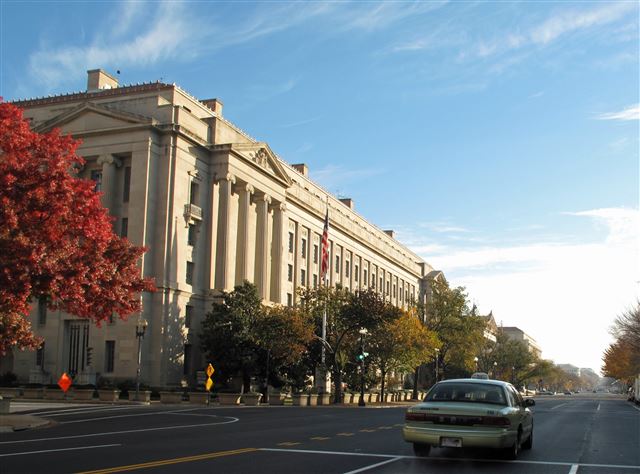
Associate Attorney General Stanley E. Woodward Jr. called it “a major victory for American children and parents,” and on paper, the number supports that framing: this is now the largest settlement the Children’s Online Privacy Protection Act has ever produced. Whether the size of a number is the same thing as the size of its actual effect is a separate question, and one this piece comes back to below.
The allegations behind the case
The underlying complaint, filed in 2024 alongside the FTC, described what regulators called “massive-scale invasions of children’s privacy.” Three specific claims drove it: TikTok knowingly allowed children under 13 to create and keep regular accounts, it unlawfully collected personal data from kids using the app’s own “Kids Mode” (built specifically to be COPPA-compliant), and it failed to honor parents’ requests to delete their children’s accounts and data once asked. That last point is the one privacy advocates tend to flag as the most serious, since a functioning deletion request is one of COPPA’s most basic guarantees to parents, not an edge case.
How TikTok’s $400 million settlement compares to past privacy fines
This isn’t TikTok’s first time in this position, and it isn’t even the first record COPPA settlement in recent memory. Musical.ly itself paid $5.7 million to the FTC back in February 2019, a record at the time and the first real sign COPPA enforcement had teeth. Google and YouTube broke that record seven months later with a $170 million settlement over children’s data collected for ad targeting.
TikTok also paid $92 million in 2021 to settle a separate class-action suit accusing it of harvesting personal data without consent. Lined up together, the number keeps climbing: $5.7 million, then $170 million, now $400 million, each one billed at the time as the largest privacy settlement of its kind.
That pattern is worth sitting with. A number that keeps setting records isn’t necessarily a sign enforcement is getting stronger, it can just as easily mean the violations keep being large enough, and the companies keep being profitable enough, that a bigger check is simply what it now costs to close the case.
The consent-decree piece of TikTok’s $400 million settlement is worth unpacking on its own, since it’s easy to skim past as a technicality. A 2019 consent decree is a binding court order, not just a fine, and it typically comes with years of ongoing compliance obligations and reporting requirements attached, not just the one-time payment. Getting a court to vacate that order doesn’t just close an old case, it removes a standing legal obligation TikTok has been operating under since Musical.ly’s own $5.7 million settlement. That’s a real, practical benefit to TikTok beyond the dollar figure, and it’s part of why the company was willing to pay an extra $100 million specifically to make it happen.
What TikTok admits, and what it doesn’t
TikTok’s $400 million settlement resolves the litigation without the company conceding it broke the law. That’s standard practice for settlements like this, not unique to TikTok, but it’s worth being direct about what it means: no court ever ruled on whether the allegations were true, and TikTok itself has pushed back, stating that many of the claims “relate to past events and practices that are factually inaccurate or have been addressed.” The company points to real, verifiable changes since the original 2024 complaint, stronger age-related controls, an updated approach to parental oversight, and broader safeguards aimed at younger users, as evidence the underlying problems are already handled.
Both things can be true at once: TikTok can have made real product changes since 2024, and $400 million can still function mainly as the price of making a lawsuit go away rather than as an independently verified fix. Nothing about the settlement itself requires an outside audit confirming the new safeguards actually work as described.
Is $400 million actually a deterrent?
Here’s the number that actually puts this in perspective: TikTok Shop alone generated $50.3 billion in gross merchandise value globally in just the first half of 2026, up 92% year over year. Set against that, TikTok’s $400 million settlement works out to roughly 0.8% of six months of TikTok Shop sales, a single business line inside a much larger company. That’s not a claim the fine came out of TikTok Shop’s revenue specifically, the comparison is about scale, not accounting, but it’s a useful gut check on what “record settlement” actually means to a company operating at this size.
This is also where TikTok’s $400 million settlement ends up telling a similar story to a completely different enforcement approach playing out on the other side of the world. Australia’s under-16 social media ban takes the opposite tack, restricting access outright instead of fining after the fact, and eight months in, that approach is barely moving the needle either, per our coverage of the ban’s own eight-month data.
Two governments, two entirely different tools, and in both cases the platform’s actual behavior and user numbers have barely shifted. That’s not necessarily proof neither approach works. It might just mean a $400 million fine and an age-verification law are both easier to write than to enforce against a company operating at TikTok’s scale.
Quick answers
How much is TikTok’s $400 million settlement actually worth to TikTok? $300 million is due immediately, with the remaining $100 million contingent on a court vacating a separate 2019 consent decree tied to Musical.ly, TikTok’s predecessor app.
Did TikTok admit wrongdoing in the settlement? No. TikTok settled without conceding the allegations and disputes some of them directly, saying certain claims are outdated or already addressed.
Is this the largest child privacy settlement ever? Yes, for a COPPA case specifically. It surpasses Google and YouTube’s $170 million settlement from 2019, which had held the record for seven years.
What specifically did TikTok get accused of? Knowingly allowing children under 13 to hold accounts, unlawfully collecting data from users of its own “Kids Mode,” and failing to honor parents’ requests to delete their children’s data.
Has TikTok been fined for privacy issues before? Yes, multiple times. Its predecessor Musical.ly paid $5.7 million to the FTC in 2019, and TikTok itself paid $92 million in 2021 to settle a separate class-action data privacy suit.
Settlement detail draws on the Justice Department’s own announcement. Historical settlement figures via the FTC’s 2019 Musical.ly announcement and its 2019 Google/YouTube settlement writeup.