TikTok Consent Decree Ruling Puts $100M Payment in Doubt
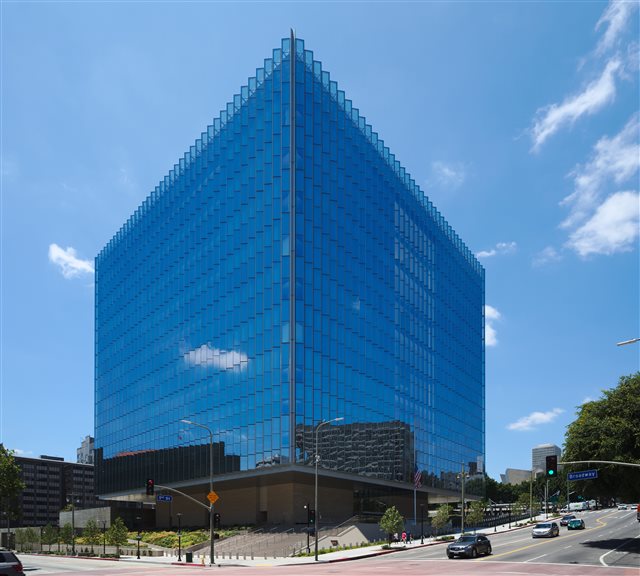
Credit: United States Courthouse, 350 W. First Street, Los Angeles, home to Judge George H. Wu’s courtroom. Photo by Daniel L. Lu (dllu), Wikimedia Commons (CC BY-SA 4.0).
A tentative TikTok consent decree ruling from a federal judge in Los Angeles is threatening to blow a hole in the $400 million settlement TikTok and the Justice Department finalized just weeks ago. U.S. District Judge George H. Wu said in a tentative ruling issued this week that he isn’t convinced the government has justified erasing a 2019 consent decree that has governed how TikTok’s predecessor, Musical.ly, handles under-13 users’ data.
A hearing is set for September 21, 2026, two days from now, where the government will get a chance to argue him out of that position.
If Wu’s tentative ruling holds, TikTok doesn’t lose the settlement itself. What it loses is the specific legal outcome the settlement was partly designed to buy: an end to nearly a decade of ongoing court-ordered oversight of how it handles children’s data. This site covered the original $400 million settlement in depth on August 27, under the headline “TikTok’s $400 Million Settlement Is a Warning, Not a Fix.” This is the direct follow-up.
- What happened: Judge George H. Wu issued a tentative ruling denying the government’s request to vacate the 2019 Musical.ly consent decree, ahead of a September 21, 2026 hearing where the ruling could still change
- What’s at stake financially: $100 million of TikTok’s $400 million COPPA settlement is contractually contingent on that consent decree being vacated; TikTok pays the other $300 million regardless
- What Wu actually said: the government “has not shown that the changes in TikTok’s ownership, the changes to the platform’s compliance measures, or the recent settlement warrant termination” of the order
- What stays in force if the ruling holds: TikTok’s reporting and record-keeping obligations under the original consent decree, which run through 2029
- What hasn’t happened yet: a final ruling. Tentative rulings in federal court are exactly that, tentative, and both TikTok and the Justice Department will get to argue their case at Monday’s hearing before Wu decides for real
In this article
What Judge Wu Actually Ruled
The order at the center of this TikTok consent decree ruling isn’t new. It dates back to 2019, when Musical.ly, the lip-sync app ByteDance acquired and folded into TikTok, agreed to a permanent injunction with the FTC over children’s privacy violations. The government asked Judge Wu to vacate that injunction entirely, arguing TikTok has changed enough since then that continued court supervision no longer serves a purpose.
Wu wasn’t persuaded, at least not yet. In his tentative ruling, he wrote that the government “has not shown that the changes in TikTok’s ownership, the changes to the platform’s compliance measures, or the recent settlement warrant termination” of the order. He went further, writing that these developments, “at least as put forth in the Government’s papers, do not establish substantial compliance with the Order or demonstrate that its prospective protections are no longer necessary.”
Both quotes are drawn directly from Wu’s written tentative ruling and have been independently confirmed against multiple outlets that reported on it, including Yahoo Finance Canada and Briefs, both of which reproduce the exact same wording. Bloomberg was first to report the ruling, but Bloomberg’s own coverage sits behind a paywall, so this article relies on the wire-service pickups that carried the same reporting.
A tentative ruling is a real signal, not a final word. In the Central District of California, judges commonly issue a tentative position ahead of a scheduled hearing specifically so both sides know where the court stands going in and can argue against it directly.
That hearing, on this TikTok consent decree question, is set for September 21, 2026. TikTok and the Justice Department did not respond to requests for comment over the weekend the ruling came out, according to multiple outlets that reported the story.
How TikTok Got Here: A Timeline
The TikTok consent decree now in question has been sitting in the background of TikTok’s legal history for six years. Here’s the actual sequence:
- February 2019: Musical.ly agrees to pay $5.7 million to the FTC, then a record children’s privacy penalty, and accepts a permanent injunction requiring COPPA compliance going forward, deletion of data collected from under-13 users, and years of sworn compliance reporting
- 2024: The Justice Department, on referral from the FTC, sues TikTok and ByteDance directly, alleging ongoing COPPA violations, including letting children keep regular accounts and ignoring parents’ deletion requests
- August 21, 2026: DOJ announces the $400 million settlement resolving that lawsuit. $300 million is due immediately; the remaining $100 million is contingent on a court vacating the original 2019 Musical.ly consent decree. The government simultaneously files a motion asking the court to vacate that decree
- September 19, 2026 (this week): Judge Wu issues a tentative ruling denying that motion
- September 21, 2026: Hearing scheduled for the government and TikTok to argue the vacatur motion before Wu issues a final ruling
What the 2019 Consent Decree Actually Requires
It’s easy to treat a consent decree as background noise next to a $400 million headline number, but the TikTok consent decree at issue here isn’t a one-time fine. It’s a standing court order, and standing court orders come with ongoing obligations that don’t end when a check clears.
The FTC’s original 2019 settlement with Musical.ly required the company to comply with COPPA going forward, delete personal information collected from users under 13, and remove videos made by those users. It also came with years of compliance reporting and recordkeeping obligations, including the government’s right to interview employees about compliance.
According to reporting on the current dispute, those reporting and recordkeeping requirements run through 2029, meaning the TikTok consent decree, if it stays in force, will keep generating obligations for roughly three more years regardless of what happens with the newer $400 million settlement.
That’s the practical stake in this TikTok consent decree ruling beyond the money. A vacated decree means TikTok is out from under that specific, decade-old layer of oversight entirely. A decree that survives means it isn’t, independent of anything TikTok has separately agreed to pay or promised to change going forward.
The Case for Vacating the TikTok Consent Decree
The government’s own filing laid out why it believed the TikTok consent decree had run its course. Per Wu’s tentative ruling, the Justice Department pointed to three developments: changes in TikTok’s ownership, changes to the platform’s compliance measures, and the newly finalized $400 million settlement itself.
The ownership point traces back to TikTok’s 2025-2026 U.S. divestiture, covered in depth in this site’s earlier piece on TikTok’s government devices ban reversal. The company that operated under the Musical.ly name in 2019, and TikTok as ByteDance ran it for years afterward, is not structurally the same company as TikTok USDS Joint Venture LLC, the entity now running TikTok’s U.S. operations under new majority ownership.
The government’s argument, in essence, was that the entity the 2019 order was written for barely exists anymore in its original form. The newer, restructured company has separately agreed to strengthened compliance measures and a record-setting settlement, which together should be enough, in the government’s view, to retire an order built around circumstances that no longer apply.
It’s a coherent argument on paper. Courts do vacate old consent decrees once the underlying circumstances that justified them have genuinely changed, that’s a normal and unremarkable part of how consent decrees are supposed to work over time. The question a court has to answer isn’t whether change happened, it’s whether the change that happened is the kind the decree was actually protecting against.
Why Judge Wu Wasn’t Convinced
Judge Wu’s tentative ruling doesn’t reject the government’s facts. It rejects the conclusion the government drew from them. Ownership changed, compliance measures changed, and a large settlement got finalized, Wu’s ruling doesn’t dispute any of that. What he wrote is that none of it, as presented in the government’s own papers, actually demonstrates “substantial compliance with the Order” or shows that “its prospective protections are no longer necessary.”
That’s a specific and fairly narrow legal gap, not a broad condemnation of TikTok’s current practices. Wu isn’t ruling that TikTok is still violating children’s privacy law today. He’s ruling that the government’s filing didn’t connect its own evidence, ownership restructuring, new compliance steps, a settlement, to the specific legal standard for ending a standing court order: proof that the order’s protections are no longer needed going forward, not just that things have changed since it was written.
This is also where it’s worth being precise about what this TikTok consent decree ruling is and isn’t. It isn’t a new finding that TikTok broke the law. It isn’t a rejection of the $400 million settlement itself, which resolves a separate 2024 lawsuit and was never contingent on this decree question.
It’s a ruling, so far only tentative, that one specific legal argument for ending one specific 2019 order hasn’t cleared the bar the government needed to clear, as that argument was written. The government gets another shot to make its case in person at the September 21 hearing before anything becomes final.
What $100 Million Actually Buys TikTok
The structure of TikTok’s $400 million settlement is unusual enough that it’s worth restating plainly, since it’s the whole reason this TikTok consent decree ruling has a dollar figure attached to it at all. Per the Justice Department’s own announcement, TikTok agreed to pay $300 million immediately, with a further $100 million due only “upon entry of an order vacating” the 2019 Musical.ly consent decree.
That structure means TikTok, in effect, priced the value of ending the old order at exactly $100 million, on top of everything else it already agreed to pay.
Wu’s tentative ruling doesn’t touch the $300 million. That portion of the settlement isn’t contingent on anything and is due regardless of how the consent decree question ultimately resolves. What’s genuinely on hold is the other quarter of the deal, the $100 million payment TikTok structured specifically as the price of closing out the Musical.ly-era order for good.
If Wu’s tentative position holds after the September 21 hearing, TikTok doesn’t owe the $100 million, at least not under the current settlement’s terms, because the condition attached to it, a court order vacating the decree, won’t have been met.
What happens after that isn’t yet clear from public reporting: whether the parties would renegotiate the contingency, appeal, or simply leave that piece of the settlement unresolved while the underlying consent decree stays in force through its original terms. None of the coverage of this TikTok consent decree ruling so far answers that question definitively, and neither TikTok nor the Justice Department has commented publicly yet.
What Happens at the September 21 Hearing
The next concrete step in this TikTok consent decree ruling is the hearing itself, scheduled for September 21, 2026, two days from the tentative ruling’s release. A tentative ruling in federal court is exactly what the name says: the court’s working position going into a hearing, not its final word. Both the government and TikTok will have the chance to argue directly to Wu why his reading of the evidence should change.
For the government, that likely means trying to more directly tie its evidence, the ownership restructuring, the newer compliance measures, the settlement, to the specific legal standard Wu says its filing didn’t meet: proof the decree’s protections are no longer necessary. For TikTok, which is a party to the underlying settlement but not the one that filed the vacatur motion, the hearing is a chance to see whether the government can close that gap, since TikTok’s own $100 million payment depends on the outcome.
Whatever Wu decides after the hearing, it’s very unlikely to be the last word on the underlying tension this whole dispute reflects. This site’s original coverage of the $400 million settlement noted that the deal let TikTok resolve a major privacy case without admitting wrongdoing, and asked whether a record-setting number is the same thing as real accountability.
A judge declining, even tentatively, to simply take the government’s word that six-year-old oversight is no longer needed is a concrete answer to a version of that same question, just from the bench instead of from outside commentary.
Quick answers
What did Judge Wu actually rule? He issued a tentative ruling denying the government’s request to vacate the 2019 Musical.ly consent decree, writing that the government hadn’t shown the decree’s protections are no longer necessary. It isn’t final; a hearing is set for September 21, 2026.
Does this cancel TikTok’s $400 million settlement? No. The $300 million immediate payment is unaffected. Only the additional $100 million, which was contractually contingent on the consent decree being vacated, is in question.
What is the TikTok consent decree, exactly? A 2019 permanent injunction the FTC obtained against Musical.ly, TikTok’s predecessor app, over children’s privacy violations. It requires COPPA compliance, deletion of improperly collected data from under-13 users, and years of compliance reporting, with recordkeeping obligations that reportedly run through 2029.
Could Judge Wu still change his mind? Yes. A tentative ruling is the court’s position heading into a scheduled hearing, not a final judgment. Both TikTok and the Justice Department will have the opportunity to argue against it at the September 21 hearing before Wu rules for real.
Is this related to TikTok’s government devices ban being lifted? Not directly, but both trace back to the same 2025-2026 ownership restructuring. That restructuring is part of what the government cited as grounds for vacating the consent decree, and it’s the same underlying change this site covered in its government devices ban article. The two legal questions, foreign ownership and children’s privacy oversight, are otherwise separate.